
In today’s fast-paced commercial real estate market, adaptability has become one of the most critical factors for success. Businesses need spaces that can evolve with their operations, while investors seek properties that offer diverse revenue streams and long-term value. Flex space buildings, designed using smart building design principles, provide an ideal solution for both purposes. These structures combine functionality, efficiency, and cost-effectiveness, enabling owners to respond to market trends and tenant demands with ease.
Flex space buildings are growing in popularity across the United States due to their ability to accommodate a variety of business needs. From startups to established companies, tenants benefit from spaces that can transform from office areas to warehousing or light manufacturing. Strategic commercial space planning and post frame building construction further enhance the flexibility and durability of these properties, making them a smart choice for multi-purpose commercial buildings.
What Are Flex Space Buildings?
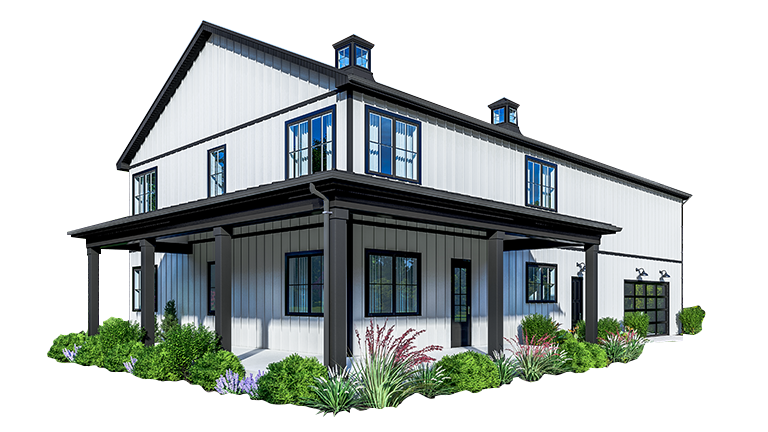
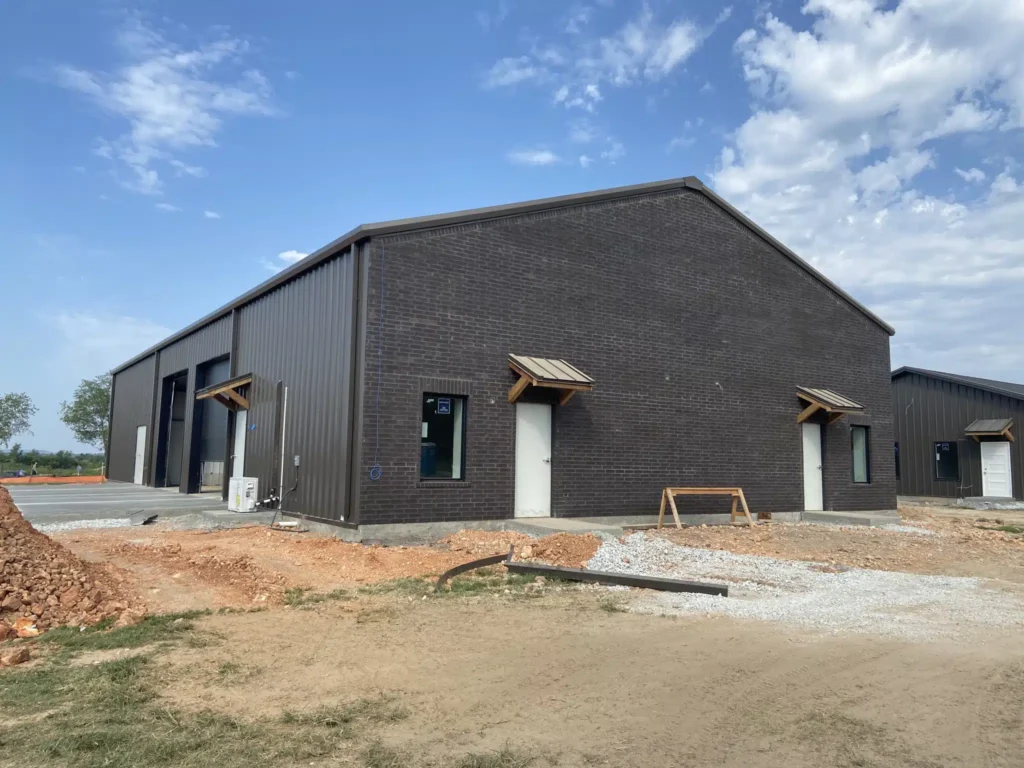
Flex space buildings are commercial structures designed to serve multiple purposes within a single property. A single unit can house offices, storage areas, light manufacturing, retail spaces, or distribution facilities. One of the main advantages of post frame building construction is the open interior layout with minimal support columns, which allows spaces to be reconfigured easily.
Beyond their physical structure, flex space buildings provide operational flexibility. Businesses can expand or downsize without relocating, saving both time and cost. Property owners can attract tenants from various industries, reducing vacancy risk. When combined with smart building design and thoughtful commercial space planning, these buildings offer a sustainable and profitable solution for modern commercial real estate.
Advantages of Flex Space
Flex space is highly cost-effective. Post frame building techniques are generally less expensive than traditional construction methods while offering durability and open interiors suitable for multiple uses. The flexible layout allows tenants to customize spaces to their business operations without major renovations, reducing downtime and operational disruption. Smart building design enhances these benefits with energy-efficient systems, modern electrical layouts, and adaptable HVAC solutions.
These buildings also support business growth and operational flexibility. Companies can scale or modify layouts as their needs evolve, while property owners benefit from higher occupancy potential. Proper commercial space planning ensures these buildings are optimized for multiple uses, including warehousing, office functions, or light industrial applications. The combination of flexibility, efficiency, and adaptability makes flex space attractive for both businesses and investors.
Commercial Space Planning Considerations
Successful commercial space planning is essential for maximizing the functionality of flex space buildings. Designers must consider accessibility, bay sizes, overhead doors, and infrastructure such as electrical and HVAC systems. Thoughtful planning ensures that spaces are functional today and adaptable for future tenant needs, which reduces costly renovations later.
Additionally, commercial space planning should account for operational flow and tenant convenience. Wide aisles, designated office areas, and efficient loading zones improve productivity and enhance the tenant experience. When integrated with smart building design, these features create spaces that are energy-efficient, durable, and capable of supporting a wide variety of business operations over time.
Is Flex Space a Good Investment?
Flex space buildings are recognized as strong investments due to their versatility and income potential. Multi-tenant arrangements allow property owners to generate diverse revenue streams, while lower construction costs of post frame buildings improve return on investment. These properties appeal to small businesses, startups, and established companies that value adaptable spaces.
Long-term benefits include reduced vacancy risk and the ability to attract multiple types of tenants. Even during economic fluctuations, the versatility of flex space allows owners to maintain steady occupancy. Incorporating smart building design and thoughtful commercial space planning ensures these properties remain functional, efficient, and profitable over the long term.
Applications of Flex Space Buildings
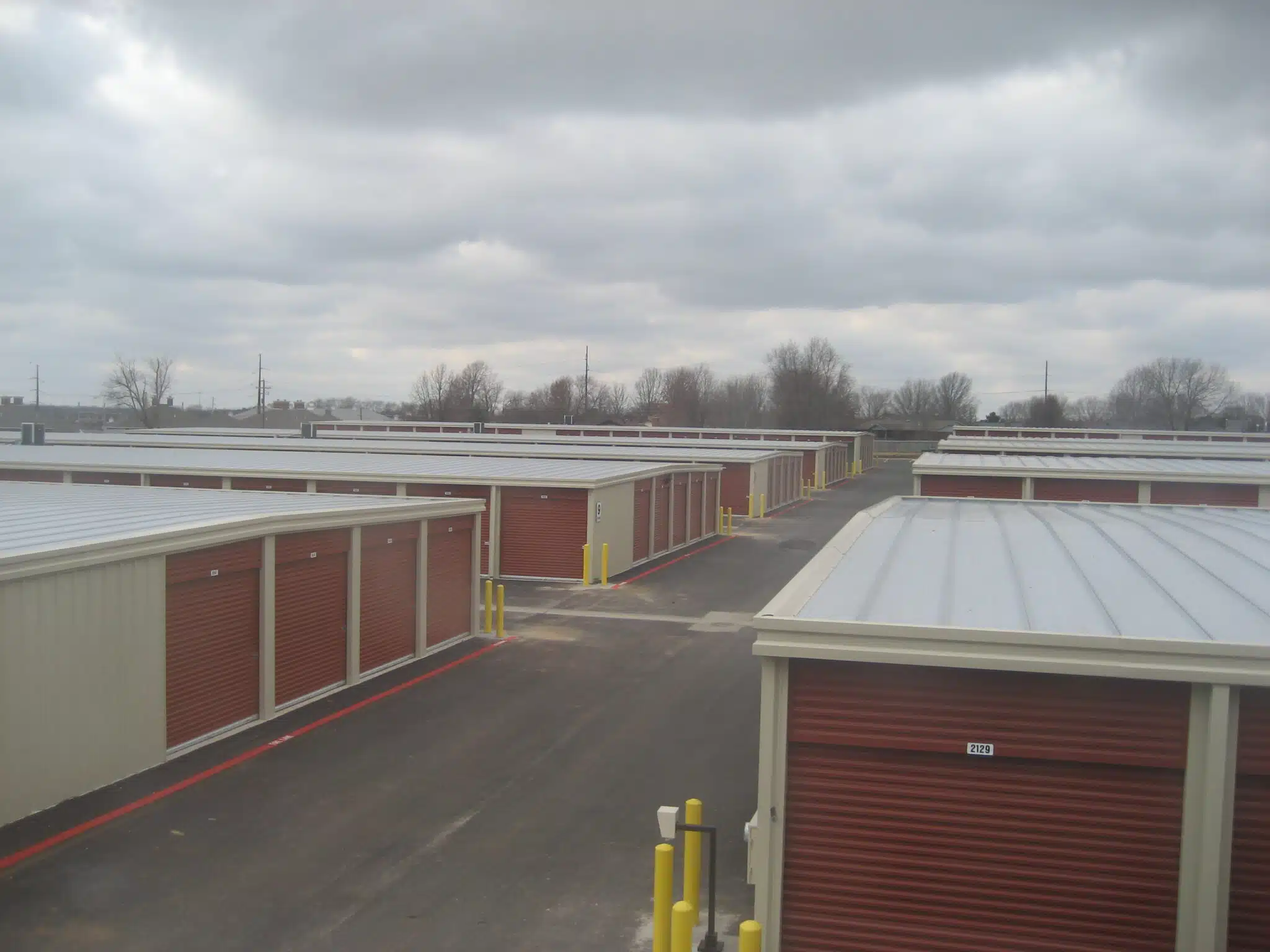
Flex space buildings support a wide range of commercial applications. They can function as small business parks, contractor workshops, landscaping operations, light manufacturing facilities, or mixed-use office parks. This versatility enables property owners to cater to multiple tenants, generate consistent rental income, and minimize vacancy risk.
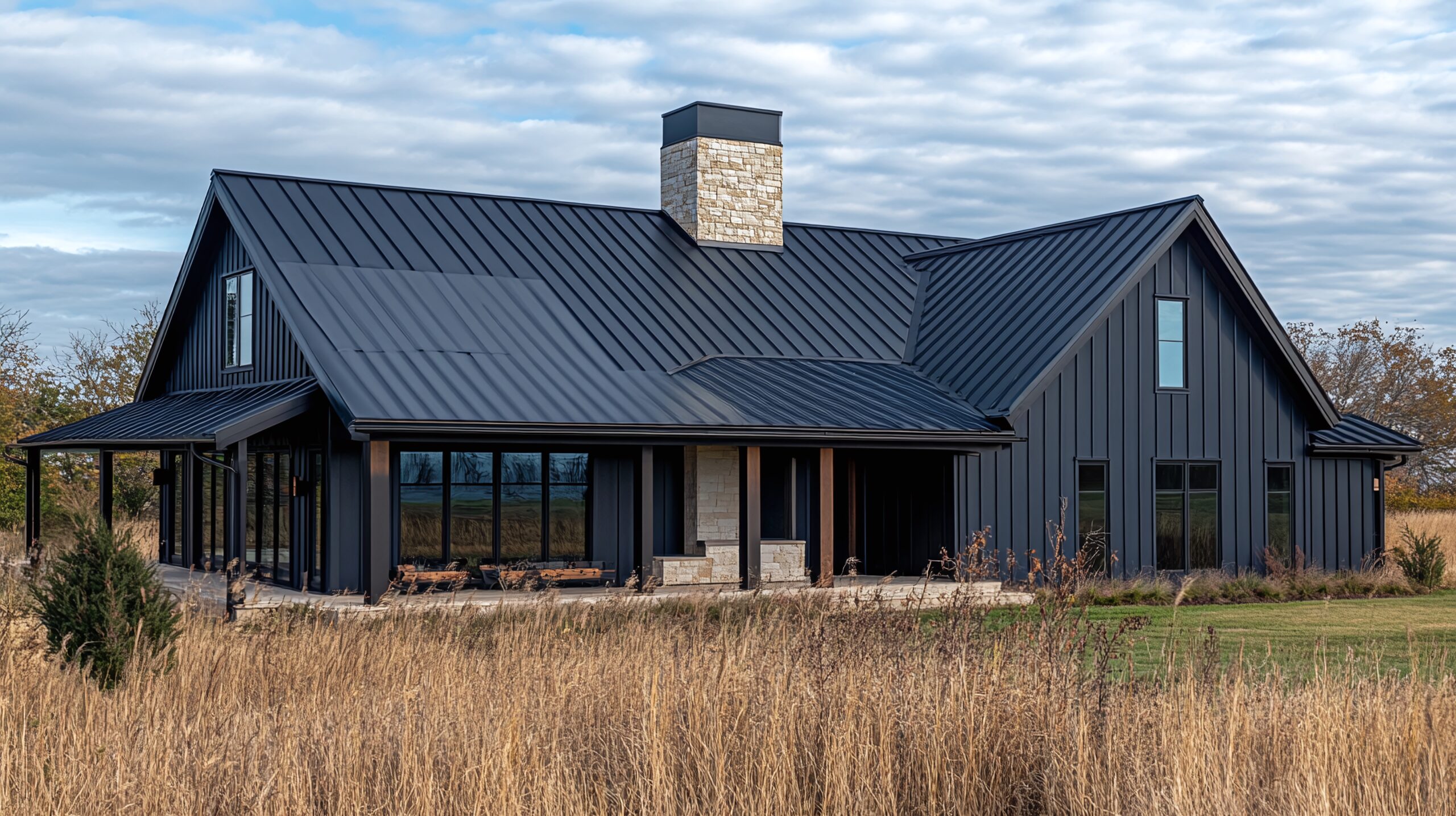
Post frame building techniques enhance structural durability and open layout, while smart building design ensures modern functionality and energy efficiency. Flex space buildings can accommodate expansion, reconfiguration, or changing tenant needs without major construction. This adaptability makes them a practical and profitable choice for investors and business owners seeking long-term operational flexibility.
Also Read: Pole Barn Homes & Residential Buildings
Smart Building Design in Flex Spaces
Integrating smart building design into flex space construction improves both functionality and tenant satisfaction. Energy-efficient lighting, modern HVAC systems, and advanced electrical layouts help businesses operate efficiently while minimizing operational costs. These design elements, combined with thoughtful commercial space planning, ensure spaces can accommodate a wide variety of tenants and business types.
Smart building design also contributes to long-term durability and reduced maintenance. Properties that are easy to maintain and adapt attract more tenants and retain value over time. Prioritizing efficiency, adaptability, and modern amenities in post frame flex space buildings ensures that these structures remain versatile and profitable well into the future.
Also Read: How to Soundproof a Workshop in Your Pole Barn
Conclusion
Designing flex space buildings for multi-purpose use combines adaptability, efficiency, and investment potential. By leveraging post frame building construction, smart building design, and strategic commercial space planning, property owners can create spaces that meet diverse tenant needs while maximizing profitability.
Flex space is a forward-thinking solution in the U.S. commercial real estate market. Its cost-effective construction, adaptability, and potential for multiple revenue streams make it appealing to both investors and businesses. Well-planned flex space buildings provide long-term functionality, versatility, and value, making them a smart and sustainable choice in today’s competitive market.