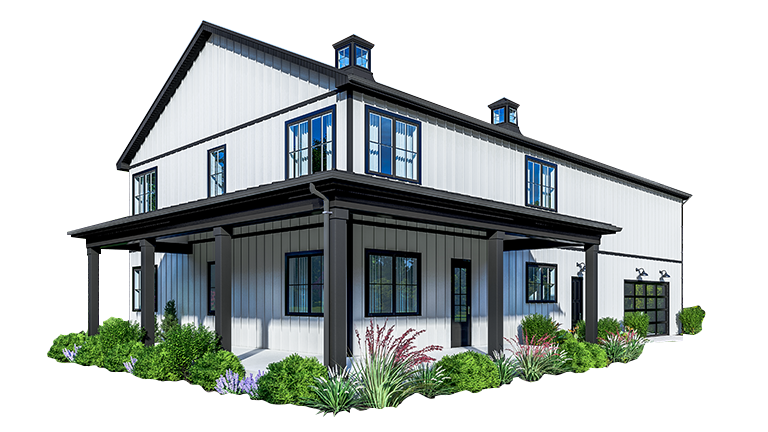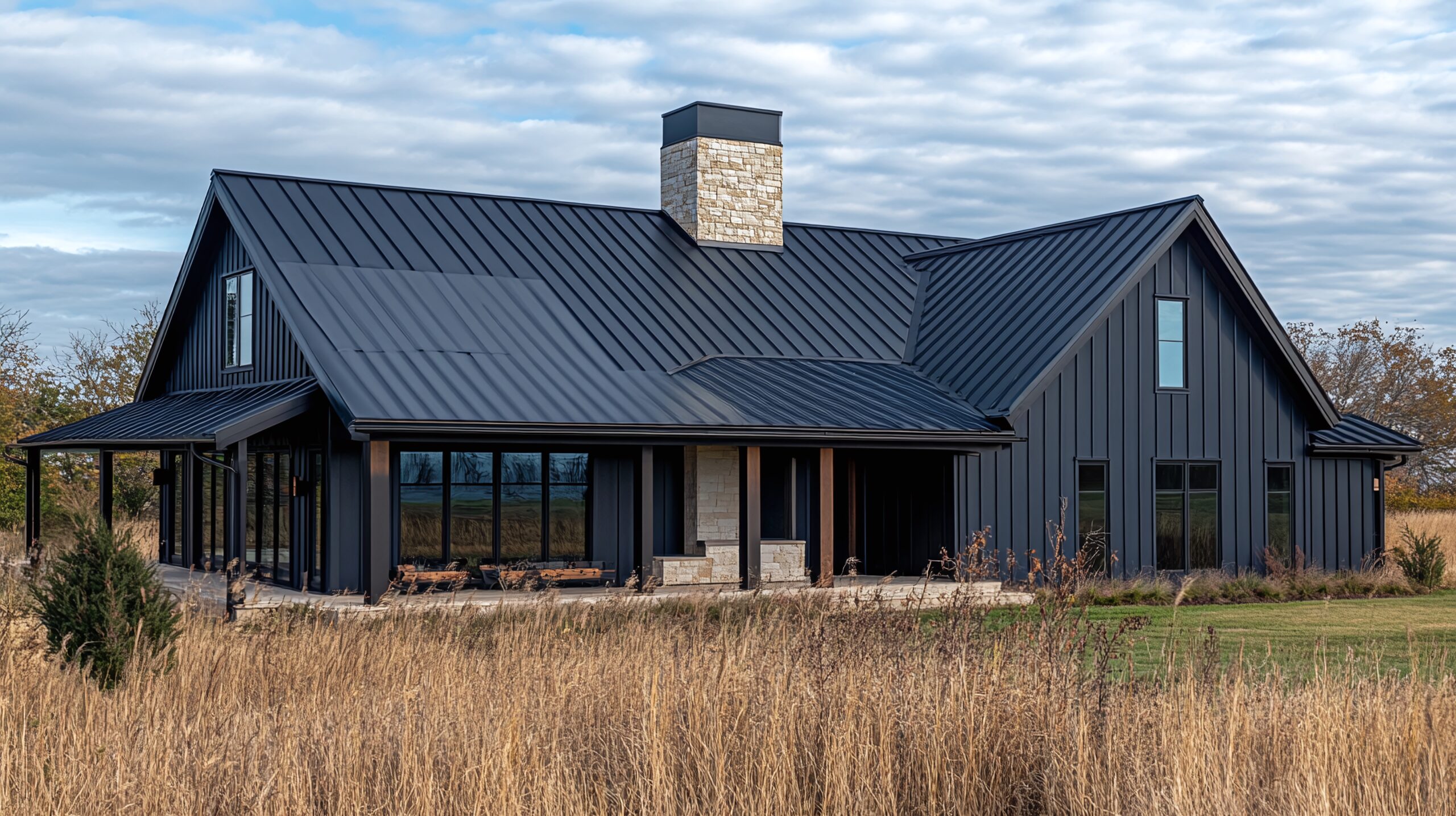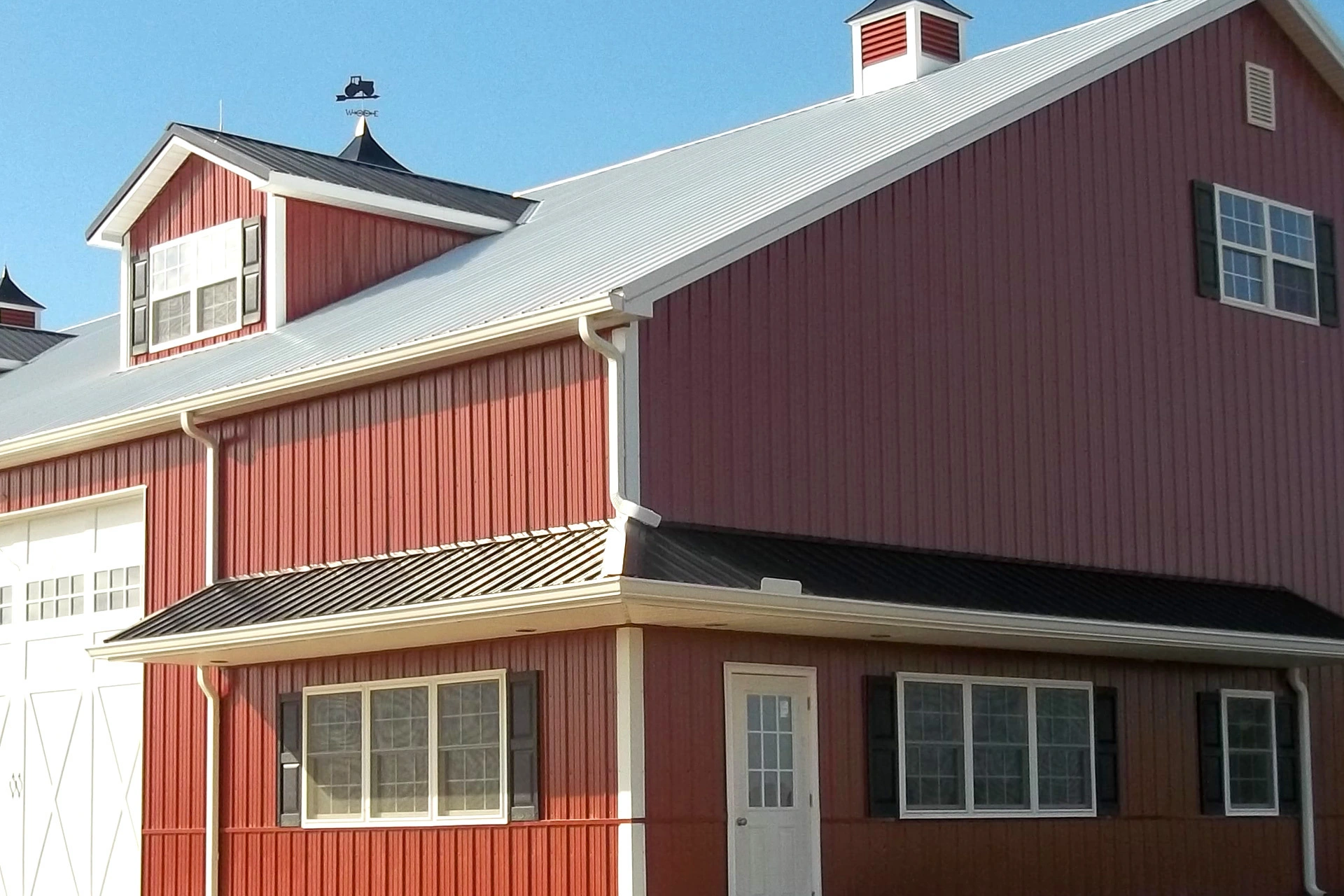

Customization is the reason most homeowners choose to build a residential pole building. You are not locked into a preset floor plan. You are not restricted by traditional framing limitations. Instead, you are given a blank structural canvas that can be shaped around how you live, work, store, entertain and grow.
The real question is not whether you can customize a pole building, it is how far you want to take it. From designing a custom layout to mapping out electrical planning, refining window placement and selecting practical custom features, every choice contributes to a flexible design that reflects your lifestyle. The customization process is where your ideas become a structure built specifically for you.
How Do You Create a Custom Layout for Your Pole Building?
The most powerful customization tool is the custom layout. Post-frame construction eliminates many interior load-bearing walls, which means interior spaces can be arranged with far fewer structural constraints. That flexibility allows you to design wide-open living areas, divided workshop zones, integrated garages, loft spaces or hybrid combinations. A custom layout begins with purpose. You decide how the space will function day to day.
Do you need a large open living area? Separate storage rooms? A workshop that connects directly to the garage? The layout should reflect your daily routine. A strong flexible design ensures that rooms flow logically instead of feeling disconnected. Interior walls can be positioned strategically rather than structurally dictated. That freedom makes customization practical rather than cosmetic. When your custom layout aligns with how you move through the space, the building immediately feels intentional.
How Can Electrical Planning Be Customized to Fit Your Needs?
Electrical planning is one of the most important customization steps. Every residential pole building serves different power demands. A home-focused design will require layered lighting, kitchen circuits, HVAC support and outlet distribution throughout living areas. A workshop-driven structure may need higher-voltage lines and equipment-ready circuits. Customizing electrical planning means planning for present and future use.
Outlet placement should match furniture layouts and workflow patterns within your custom layout. Lighting can be tailored by zone, ambient lighting in living areas, task lighting in work zones and exterior lighting for safety. A flexible design accounts for growth. Extra breaker space, dedicated appliance lines and pre-wired expansion zones ensure the building can adapt later without opening walls. Electrical planning is not just technical planning; it is functional customization.
How Do You Personalize Window Placement?
Window placement directly affects how the interior feels. Strategic window placement determines how much natural light enters the building and how well ventilation supports comfort. In residential areas, larger windows often create openness and connection to outdoor views. Customization involves more than adding windows randomly.
Window placement should align with your custom layout. Living spaces benefit from broader openings, while storage or workshop zones may require higher-mounted units to preserve wall space. Thoughtful positioning also improves energy efficiency and privacy. A flexible design allows window sizes and placements to be adjusted without compromising structural integrity. That means aesthetics and performance can be balanced intentionally rather than by default.
What Custom Features Can You Add to Enhance Functionality?
Custom features transform a simple shell into a fully personalized residential space. These features may include built-in storage systems, insulated wall packages, upgraded overhead doors, mezzanines, interior finishes or extended overhangs. Each addition should support how you plan to use the building. Functional custom features improve workflow and organization.
For example, integrated shelving in workshop areas eliminates clutter. Enhanced insulation supports year-round comfort. Specialized entry systems improve convenience and durability. Design-focused custom features can also elevate appearance. Interior finishing options, trim styles and coordinated exterior elements give the building character. When these custom features align with your electrical planning and window placement strategy, the entire structure feels cohesive.
How Can You Customize for Multi-Purpose Living?
Many homeowners want their residential pole building to serve more than one function. A carefully planned custom layout can combine living quarters, storage, garage space and hobby areas under one roof. That level of integration is a direct result of the flexible design inherent in post-frame construction. Electrical planning must support this multi-purpose customization.
Living areas may require standard residential circuits, while workshop sections may need dedicated equipment lines. Custom features such as sound separation, separate entrances or zoning insulation enhance usability. Window placement should reflect function. Residential zones can maximize natural light, while work areas prioritize practicality. Multi-purpose customization succeeds when each zone is planned intentionally rather than added as an afterthought.
How Do Exterior Customizations Impact the Overall Design?
Customization does not stop at the interior. Exterior finishes, siding profiles, roof styles and trim packages shape the visual identity of the structure. These decisions should complement the custom layout inside. Window placement affects exterior symmetry and curb appeal.
Balanced proportions enhance aesthetics while supporting interior lighting needs. Electrical planning may also influence exterior lighting features, such as porch fixtures or perimeter illumination. Custom features like covered porches, extended rooflines or upgraded entry doors expand functionality while strengthening the flexible design. Exterior customization ensures the building reflects both practicality and personality.
Also Read: The Role of Snow Guards in Safeguarding Roofs and Property
How Can You Plan for Future Customization?
True customization anticipates change. A flexible design should allow future additions or interior reconfigurations without major reconstruction. That planning starts with the custom layout, ensuring expansion zones are structurally supported. Electrical planning should include capacity for upgrades.
Installing larger panels or reserved circuits makes future improvements simpler. Window placement can also anticipate potential additions so the building remains visually balanced. Custom features selected today should not restrict options tomorrow. Smart planning ensures the residential pole building evolves alongside your needs rather than limiting them.
Also Read: Can You Build a Pole Barn in The Winter?
Conclusion
Customizing a residential pole building is a deliberate process. It begins with a custom layout that reflects how you live. It continues with intentional electrical planning that supports daily functionality and long-term adaptability. Strategic window placement enhances comfort and performance. Carefully chosen custom features elevate both usability and style.
Together, these decisions create a flexible design tailored specifically to you. Instead of settling for predetermined spaces, you shape every detail. That level of control is what makes residential pole building customization so powerful. When approached thoughtfully, it results in a structure that functions exactly as you intended.