
When a retail business owner looks at construction options, the priorities are usually consistent: control costs, keep the timeline short, and end up with a building that supports the way the business actually operates. Post-frame construction addresses all three of those priorities more directly than most conventional retail construction methods. It is not a new approach, but it is increasingly being recognized by business owners as a smarter way to build commercial retail space.
The structural efficiency of post-frame systems allows for wide open interiors, faster erection times, and lower per-square-foot costs compared to steel stud or masonry construction. For retail stores that need column-free floor space to display merchandise, accommodate customer flow, or support future reconfiguration, the advantages are immediate and practical. Understanding how post-frame fits the specific demands of retail construction is the first step toward making a well-informed building decision.
What Is Post-Frame Construction and Why Does It Matter for Retail?
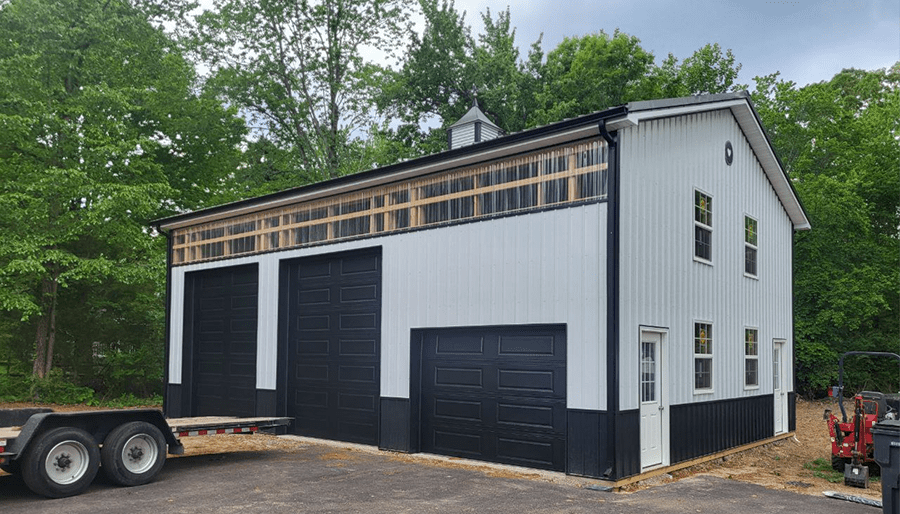
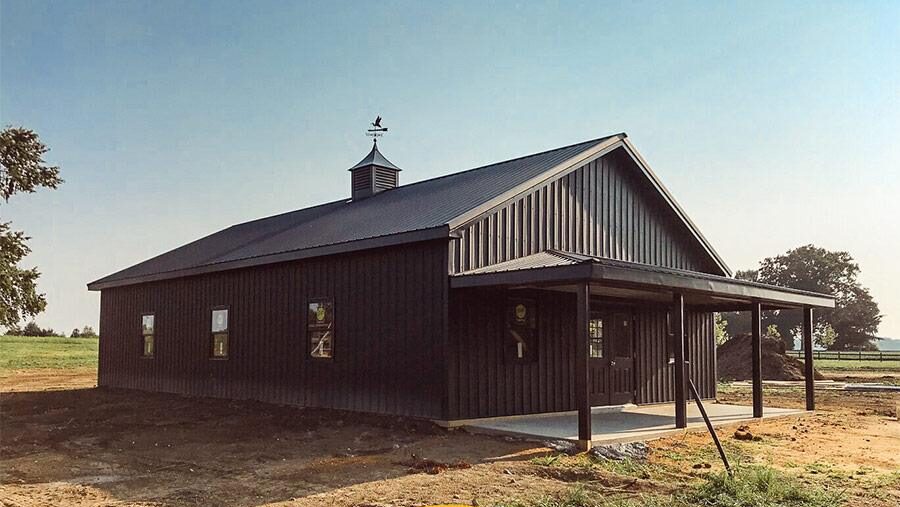
Post-frame construction is a building method that uses large, engineered posts set into the ground or anchored to a concrete foundation as the primary structural support. Instead of relying on a continuous perimeter foundation and closely spaced wall studs, post-frame systems transfer building loads through fewer, stronger vertical members. This creates wide spans between posts that eliminate the need for interior load-bearing walls.
For retail construction specifically, this structural approach translates into usable floor space that can be arranged without structural constraints dictating fixture placement or layout. A retailer can configure shelving, display areas, service counters, and checkout zones based on customer flow and merchandising needs rather than working around columns or bearing walls. That flexibility has real operational value throughout the life of the building, not just at the point of initial setup.
How Does Post-Frame Reduce Costs Compared to Conventional Retail Construction?
Post-frame construction typically costs less per square foot than wood stud, steel stud, or masonry retail construction methods. The reduced foundation requirements are a major factor. Instead of full perimeter footings or a deep slab system, post-frame structures can use direct-embedded posts or isolated concrete piers, which require significantly less concrete and labor. For large retail buildings, this foundation difference alone can represent substantial savings.
Material efficiency also contributes to lower overall retail construction costs. Fewer framing members, simplified wall assemblies, and standardized panel systems reduce both material quantities and labor hours on the job site. Faster erection means the building shell closes in sooner, which reduces weather-related delays and accelerates the interior finishing schedule. For a business owner who needs to open quickly and stay within budget, these cost and time advantages are directly relevant.
Why Does a Faster Build Schedule Matter for Retail Businesses?
Every week a retail store remains under construction is a week the business is not generating revenue. Construction speed is not just a convenience, it is a financial factor that directly affects the return on a building investment. Post-frame construction erects the structural shell faster than most conventional retail construction methods because the framing system is simpler, prefabricated components arrive ready to install, and fewer subcontractors are needed during the structural phase.
A faster enclosed building also gives interior contractors the ability to begin work sooner. Electrical, HVAC, insulation, and interior finish crews can start while exterior work continues, compressing the overall schedule without sacrificing quality. For seasonal retailers or businesses with a targeted opening date tied to a lease, marketing campaign, or local event, this schedule compression is a practical advantage that post-frame delivers consistently.
How Does Post-Frame Support Flexible Retail Layouts?
Retail layouts evolve over time. Product lines change, customer traffic patterns shift, and seasonal displays require periodic reconfiguration of floor space. A post-frame retail building accommodates this ongoing need for flexibility because the wide interior spans allow fixtures, walls, and displays to be moved, added, or removed without structural limitations. Retailers are not locked into the layout they opened with.
This flexibility also extends to future expansion. Post-frame retail construction can be extended by adding bays to the existing structure in a way that blends with the original building. Expanding a steel stud or masonry retail building typically requires more invasive and expensive structural modifications. For a growing retail operation, building with expansion in mind from the start is a practical business decision, and post-frame makes that planning easier to execute.
What Energy Efficiency Advantages Does Post-Frame Offer Retail Stores?
Energy costs are a significant and ongoing expense for retail stores, particularly those with large lighting requirements, HVAC systems, or refrigeration needs. Post-frame construction accommodates high-performance insulation systems more easily than some conventional framing methods because the thick wall cavities and simplified assembly allow for higher R-values without complicated thermal bridging solutions. The result is a more energy-efficient structure from the start.
Steel roofing with reflective coatings reduces solar heat gain in warmer months, lowering cooling loads and utility bills for the retail operation inside. When combined with proper insulation and airtight construction, a post-frame retail building can achieve energy performance levels that meaningfully reduce operating costs over the life of the business. For owners who are planning a new retail location, energy efficiency is a long-term financial consideration that should factor into the building method decision.
How Does Post-Frame Handle Retail Aesthetic and Curb Appeal Requirements?
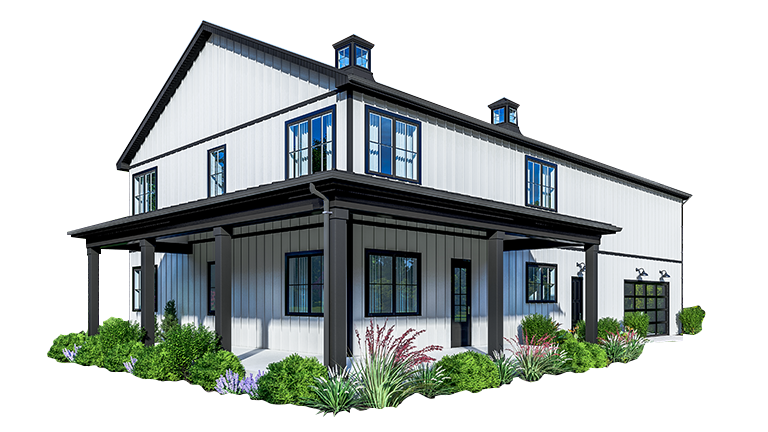
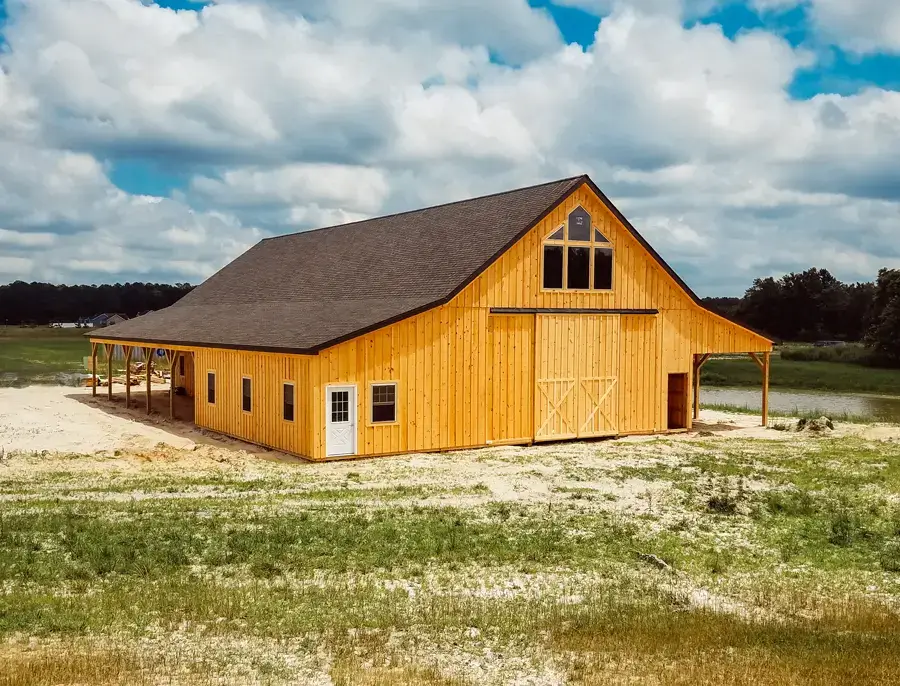
A common misconception about post-frame retail construction is that it produces buildings that look industrial or utilitarian. Modern post-frame systems support a wide range of exterior finishes, including brick wainscoting, architectural metal panels, stone veneer, stucco, and wood-look siding options. The structural system behind the exterior is post-frame, but the finished appearance can match or exceed the curb appeal of traditionally built retail stores.
Storefronts with large glass entries, canopies, and branded signage all integrate cleanly into post-frame exterior wall assemblies. The building can be designed to reflect the retail brand’s identity without compromising the structural and cost advantages of the post-frame system. Delmarva Buildings works with retail clients to develop exteriors that meet both the aesthetic goals of the business and the practical requirements of a commercial building in their market.
Also Read: Why Invest in Mini Pole Building Storage Construction?
Is Post-Frame Construction Code-Compliant for Commercial Retail Use?
Post-frame construction meets commercial building code requirements when properly engineered and permitted. Post-frame retail buildings are subject to the same wind load, snow load, fire resistance, and accessibility standards as any other commercial construction type. Engineered plans prepared by a licensed structural engineer document code compliance and are required for permit approval in virtually all jurisdictions.
Working with an experienced commercial retail builder ensures that code requirements are addressed at the design stage, not discovered after construction has begun. Fire-rated assemblies, occupancy load requirements, ADA compliance, and utility connection specifications are all part of a properly permitted commercial post-frame build. Meeting these standards is not optional, but it is straightforward when the design process is handled by a team that knows what regulators require.
Also Read: Why Should You Consider a Barndominium For Your Home Build?
Conclusion
Post-frame construction gives retail business owners a building method that is faster to erect, more cost-efficient to build, and more flexible to operate than most conventional retail construction alternatives. The wide-span interiors, energy efficiency potential, and straightforward expansion capabilities address the practical needs of retail operations at every stage of business growth. These are not marginal advantages, they are meaningful factors that affect both the upfront investment and the long-term financial performance of the property.
If you are planning a retail store and want to understand whether post-frame is the right fit for your project, the best first step is a direct conversation with an experienced builder. Delmarva Buildings has worked with commercial clients across a range of retail applications and can walk you through a realistic cost and timeline picture for your specific location and project scope.