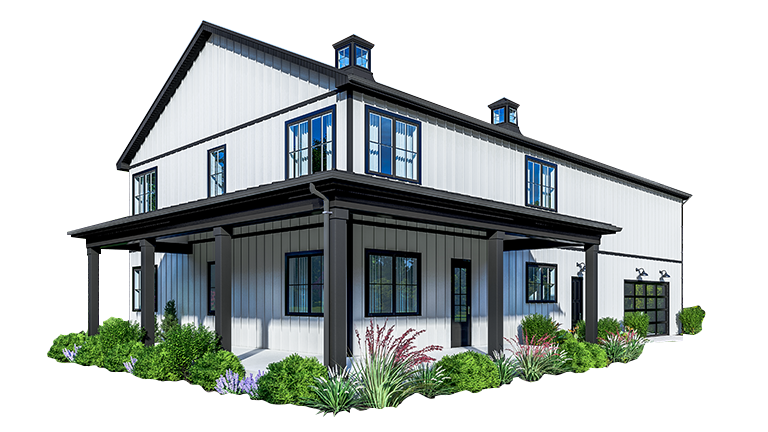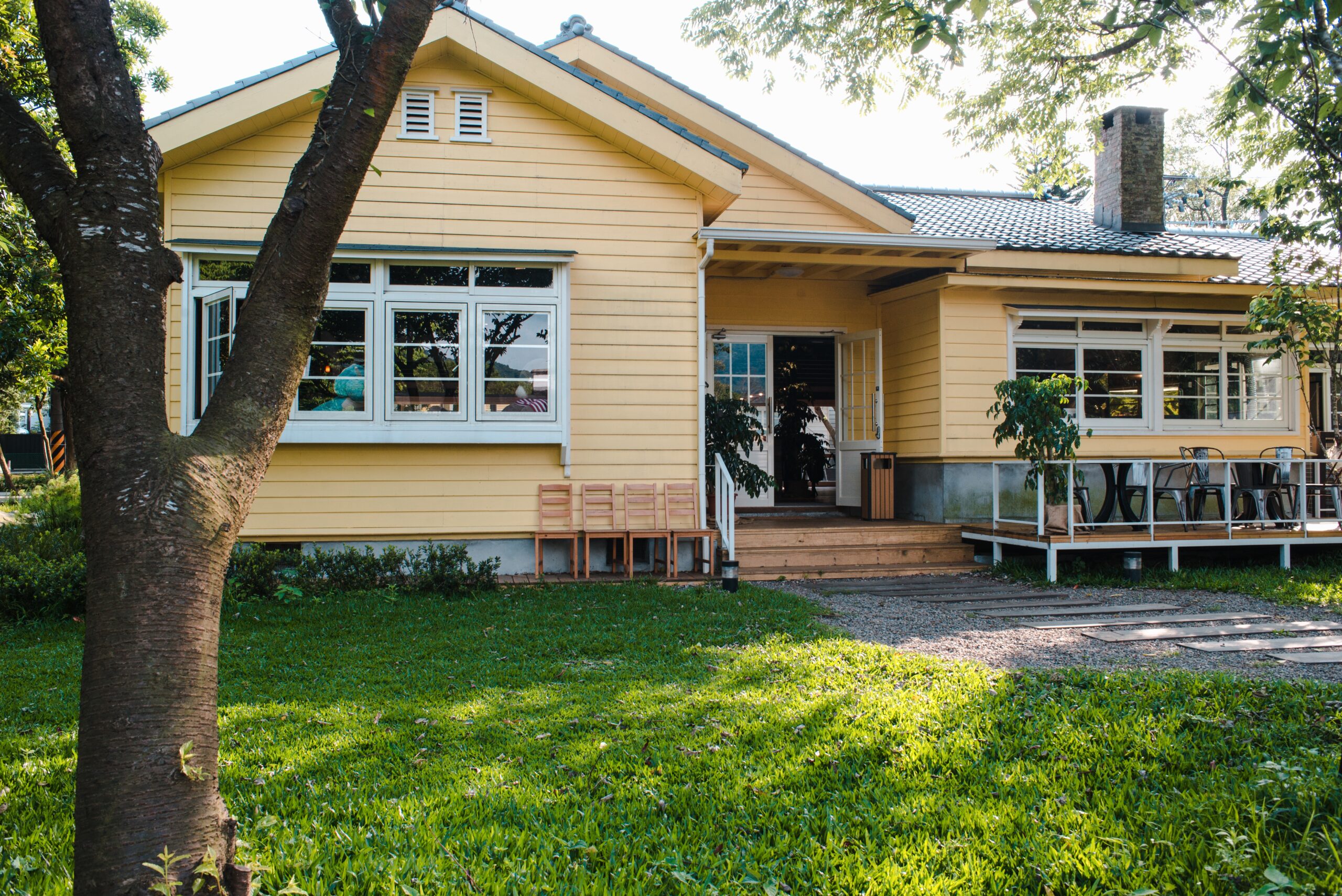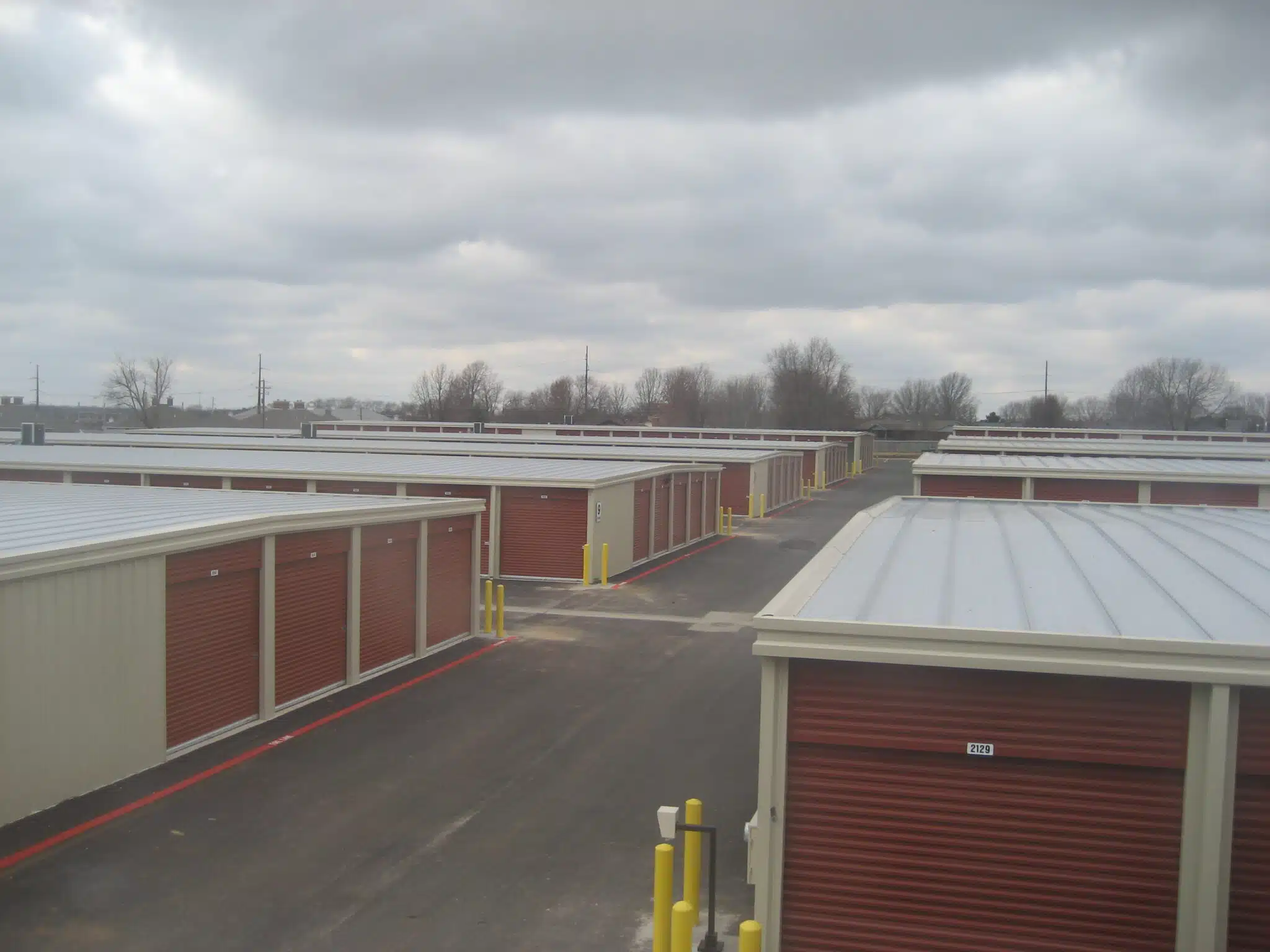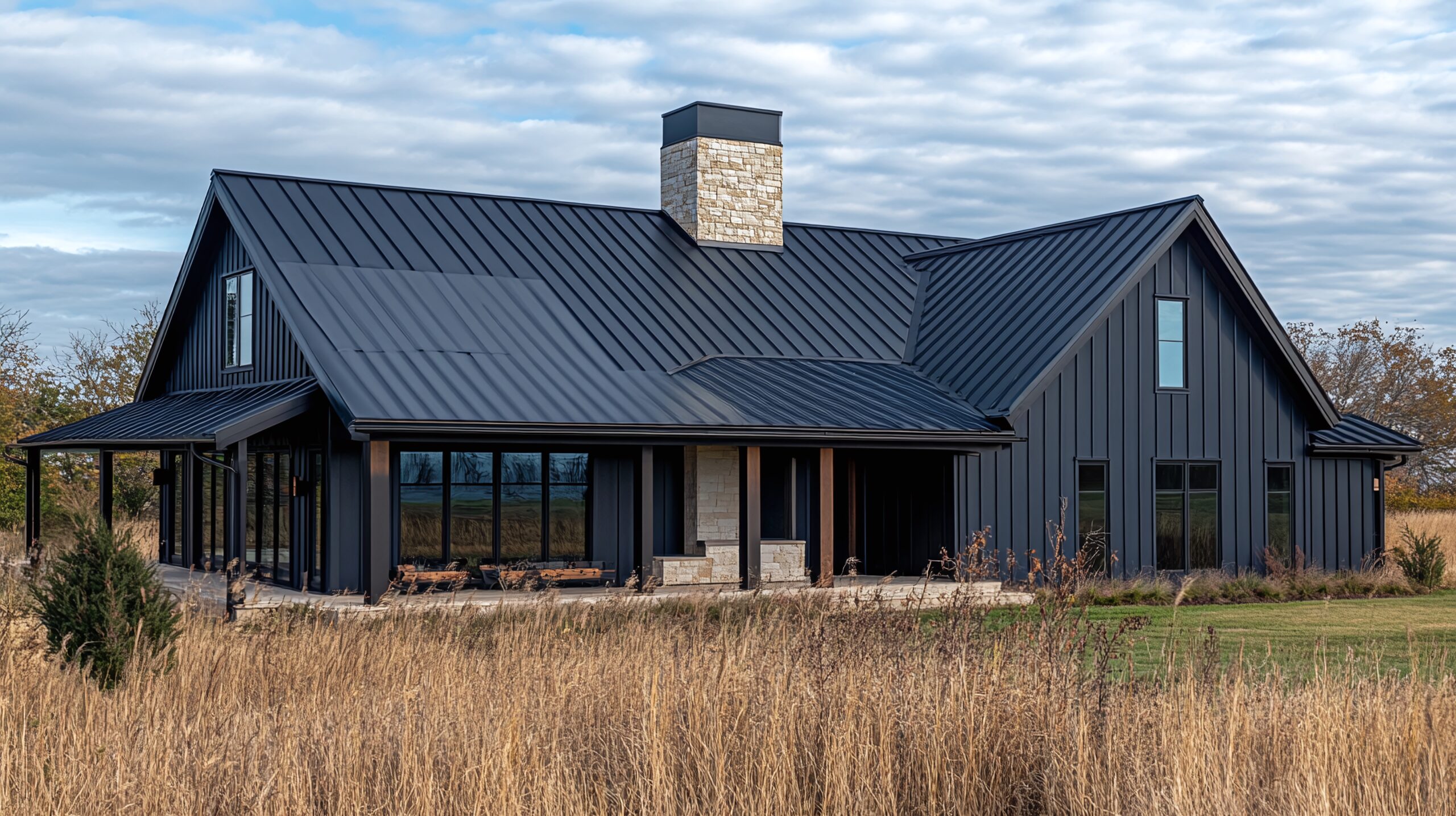

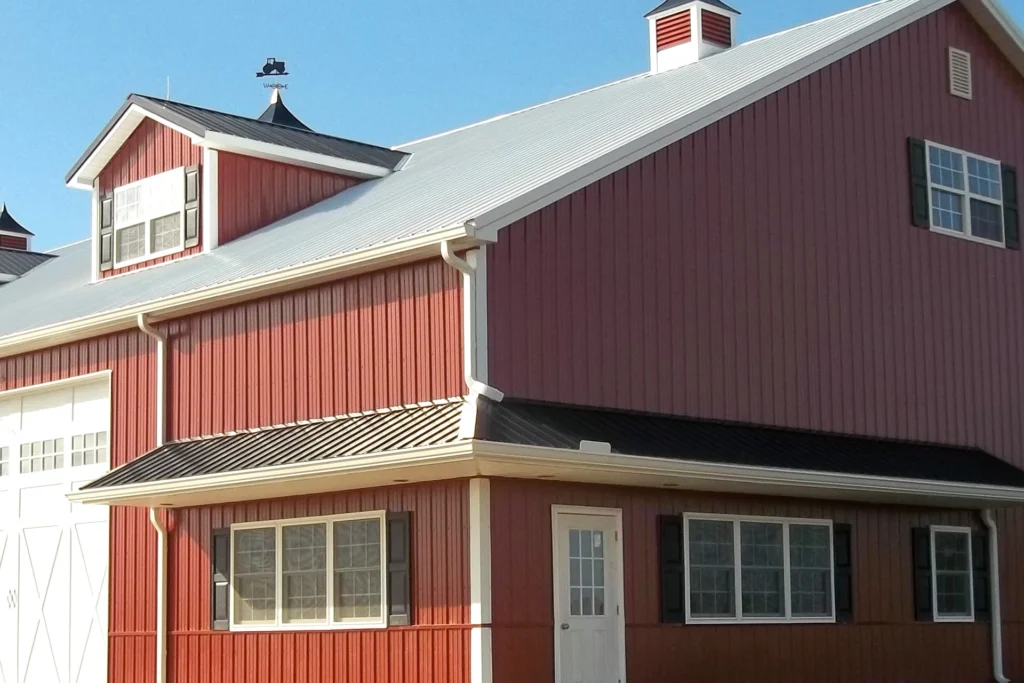
You’re standing inside your pole building during a heavy rainstorm. The structure feels solid, secure, and steady, but you know that everything inside depends on one critical component: the roof. Whether it’s equipment, livestock, vehicles or inventory, what protects it all from wind, water and extreme temperatures? The answer is simple: steel.
From agricultural barn roofing to commercial storage facilities, steel roofing has become the trusted standard in post-frame construction. Property owners today want dependable roof protection, long-term roofing benefits and environmentally responsible sustainable roofing options. With advancements like insulated steel roofing panels, steel roofing continues to outperform traditional materials in both strength and efficiency.
Why Is Steel Roofing the Standard for Pole Buildings?
Pole buildings are designed for efficiency and structural performance. The roofing system must be strong yet lightweight and steel delivers exactly that balance. Its structural integrity supports wide spans while maintaining durability, making it ideal for everything from workshops to large-scale barn roofing projects.
Compared to other sustainable roofing options, steel offers superior roof protection with minimal maintenance requirements. The long lifespan translates into consistent roofing benefits, including fewer replacements and reduced repair costs. This combination of reliability and efficiency explains why steel roofing remains the top choice in post-frame construction.
How Does Steel Provide Superior Roof Protection?
Every building owner wants dependable roof protection against rain, snow, wind and temperature swings. Steel panels are engineered to resist cracking, warping and moisture penetration, helping preserve the building’s interior. This durability is particularly important in agricultural barn roofing, where environmental exposure is constant.
Among modern sustainable roofing options, steel stands out for its resilience. Its resistance to corrosion and pests enhances overall performance while delivering measurable roofing benefits over time. With fewer vulnerabilities than shingles or wood materials, steel roofing ensures reliable protection year after year.
Are Insulated Steel Roofing Panels Worth the Investment?
Energy efficiency is increasingly important in pole building design. Insulated steel roofing panels combine structural durability with built-in thermal control, helping regulate interior temperatures. This makes them especially valuable for heated workshops, storage spaces and livestock facilities using barn roofing systems.
When comparing sustainable roofing options, insulated steel roofing panels offer enhanced roof protection and improved climate control. The added insulation reduces condensation and energy loss, increasing overall roofing benefits. For property owners looking to maximize long-term performance, insulated panels provide a smart upgrade.
What Makes Steel One of the Most Sustainable Roofing Options?
Sustainability plays a growing role in construction decisions. Steel ranks among the leading sustainable roofing options because it is commonly manufactured from recycled materials and can be recycled again at the end of its service life. This reduces landfill waste and supports environmentally responsible building practices.
Beyond recyclability, steel’s longevity strengthens roof protection while minimizing material turnover. These lasting roofing benefits reduce environmental impact over decades of use. Even in traditional barn roofing applications, steel contributes to sustainable construction through durability and efficiency.
How Does Steel Compare to Traditional Roofing Materials?
Asphalt shingles and other conventional materials often require replacement within 15 to 20 years. Steel roofing, on the other hand, can last 40 to 50 years or more. That extended lifespan delivers superior roof protection for pole buildings exposed to demanding weather conditions.
While the upfront cost may be higher, the long-term roofing benefits outweigh the investment. Reduced maintenance, improved energy performance with insulated steel roofing panels and lower replacement frequency make steel one of the most dependable sustainable roofing options. These advantages are especially noticeable in barn roofing, where durability is essential.
Why Is Steel Ideal for Barn Roofing Applications?
Agricultural environments present unique challenges, including moisture, temperature fluctuations and exposure to livestock conditions. Steel performs exceptionally well in these settings, making it a leading choice for barn roofing installations across rural and commercial properties.
Its corrosion resistance enhances overall roof protection, while its strength ensures consistent structural performance. Among all sustainable roofing options, steel provides lasting roofing benefits for farmers and property owners who require reliability without ongoing repairs. Adding insulated steel roofing panels further improves comfort and energy efficiency inside agricultural structures.
Does Steel Roofing Improve Energy Efficiency?
Temperature control plays a significant role in pole building performance. Steel roofing reflects sunlight, reducing heat absorption during warmer months. This reflective quality makes it one of the most practical sustainable roofing options for improving energy efficiency.
When paired with insulated steel roofing panels, the system enhances roof protection against both heat and cold. These combined features create substantial roofing benefits, including lower utility costs and reduced condensation. Even standard barn roofing projects benefit from improved thermal regulation and moisture control.
How Durable Is Steel Roofing in Extreme Weather?
Pole buildings are often located in open areas where they face heavy winds, rainstorms and snow loads. Steel roofing systems are engineered to withstand these harsh conditions, providing reliable roof protection in extreme weather.
Compared to other sustainable roofing options, steel consistently delivers superior strength and impact resistance. The resulting roofing benefits include fewer storm-related repairs and long-term structural integrity. Whether installed on commercial facilities or agricultural barn roofing, steel remains dependable in unpredictable climates.
Also Read: Are Barndominium Kits a More Affordable Alternative to Custom Builds?
Can Steel Roofing Be Customized for Different Projects?
Modern steel roofing systems offer a range of colors, finishes and panel styles. This flexibility allows property owners to tailor barn roofing and commercial pole buildings to match their aesthetic preferences without sacrificing performance.
Customization does not compromise roof protection. Even decorative finishes maintain durability and long-term performance. Combined with the added efficiency of insulated steel roofing panels, these design options enhance both appearance and practical roofing benefits, reinforcing steel’s status among leading sustainable roofing options.
Also Read: What Is the Average Cost Per Square Foot to Build a Barndominium?
Conclusion
Steel roofing remains the preferred solution for pole buildings because it consistently delivers strength, longevity and dependable roof protection. From agricultural barn roofing to commercial storage structures, it provides lasting roofing benefits that justify the investment.
With advancements like insulated steel roofing panels and a growing demand for sustainable roofing options, steel continues to set the industry standard. If you’re planning a new pole building or upgrading an existing structure, choosing a durable steel roofing system is a practical step toward long-term performance, efficiency, and peace of mind.