
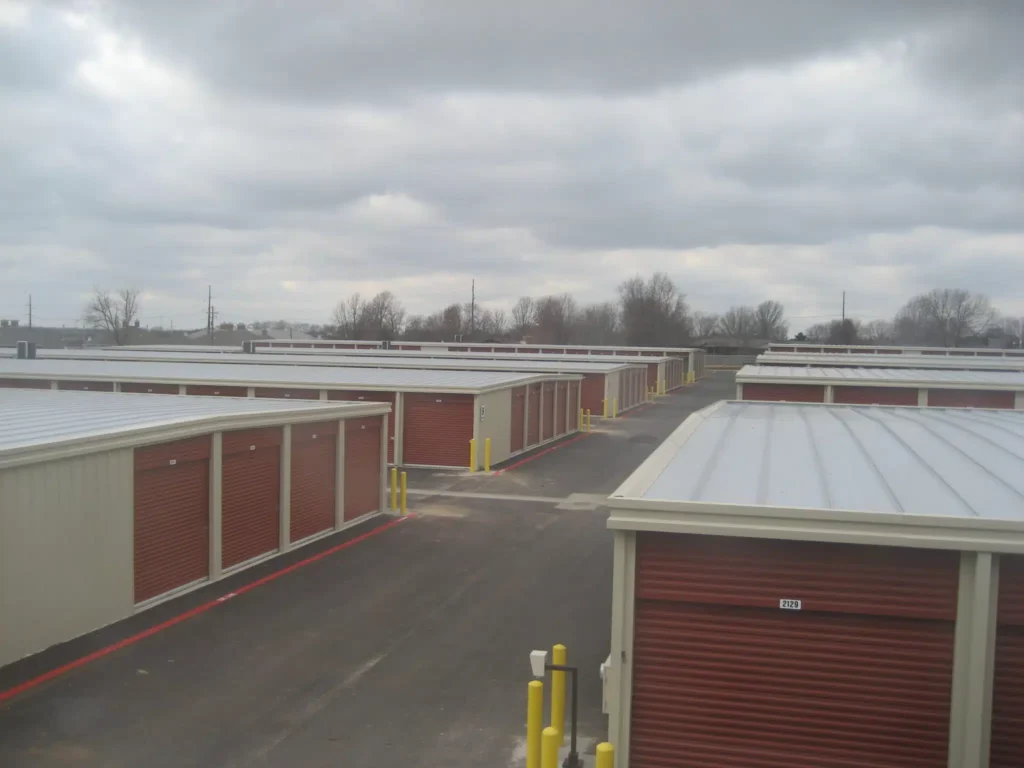
Drive through almost any growing town and you’ll notice something consistent, rows of clean, organized storage units with secure doors and steady activity at the gates. They may not grab headlines, but they rarely sit empty. That quiet consistency tells you everything you need to know about demand.
As homes fill up, garages become workshops and businesses accumulate tools and materials, the need for reliable compact storage continues to grow. Mini pole building storage construction offers investors a durable, efficient and scalable solution that meets that demand while creating long-term income potential.
Is Investing in Mini Storage a Smart Financial Decision?
Mini storage has proven to be one of the more stable sectors in commercial real estate. Major life transitions such as relocating, remodeling, downsizing or expanding a business consistently create demand for reliable compact storage solutions. That ongoing demand supports strong occupancy levels in both rural and urban markets.
From a financial perspective, storage construction typically involves lower operational complexity than office or retail properties. With fewer tenant improvements and limited daily oversight required, owners often benefit from predictable revenue streams and manageable expenses over time.
What Makes Pole Building Construction Ideal for Storage Facilities?
Pole building systems are engineered for strength and material efficiency, making them an excellent fit for storage construction projects. Post-frame structures reduce unnecessary framing components while maintaining structural integrity in varying weather conditions.
Another advantage is the streamlined construction process. Once site work and permitting are complete, the building shell can be erected quickly, shortening timelines and accelerating rental availability. A faster construction process means quicker income generation.
How Does Compact Storage Improve Profit Potential?
A well-planned compact storage layout maximizes rentable square footage without increasing land costs. By strategically offering a range of unit sizes, facilities can attract homeowners, renters and businesses with different storage needs.
Efficient compact storage planning increases revenue per acre. Instead of wasting space on oversized corridors or inefficient layouts, developers can design buildings that optimize access, visibility and usability, directly impacting profitability.
Why Are Mini Storage Buildings Considered Low Maintenance?
Durability is one of the biggest barndominium benefits and similar principles apply to pole-based storage construction. Steel siding and roofing resist fire, pests, moisture and harsh weather, significantly reducing long-term maintenance concerns.
Since tenants use units primarily for personal items and equipment storage, interior wear is minimal. The result is fewer repairs, lower upkeep costs and stronger net returns over the life of the building.
How Customizable Are Mini Storage Facility Designs?
Flexible design is central to successful storage construction. Facilities can be configured with various roof styles, door placements and exterior finishes to match local preferences and code requirements.
A flexible design also supports different compact storage configurations. Whether offering 5×5 units for residential use or larger spaces for equipment storage, customization allows developers to align the facility with real market demand.
Can You Expand a Mini Storage Facility in the Future?
Scalability is built directly into modern pole-based storage construction systems. Bolt-together framing allows additional buildings or unit rows to be added without disrupting existing tenants.
Because compact storage layouts are modular, expansion can occur in phases. This approach reduces upfront risk while preserving the opportunity to grow alongside increasing demand for personal and equipment storage space.
Are Certain Storage Unit Sizes More Popular Than Others?
Demand often varies by region, but smaller compact storage units typically lease quickly. These units serve homeowners who need temporary storage during transitions or long-term solutions for seasonal belongings.
Larger units designed specifically for equipment storage attract contractors, tradespeople and agricultural operators. Offering a balanced mix ensures occupancy stability and broadens the customer base.
Is Mini Storage Construction More Cost-Effective Than Other Commercial Projects?
Compared to office or retail developments, storage construction generally requires fewer interior finishes and mechanical systems. The simplified structure reduces material complexity and labor demands.
The efficient construction process also shortens project timelines. By minimizing delays and focusing on structural essentials, investors can control upfront costs while maintaining long-term durability.
How Does Equipment Storage Drive Long-Term Demand?
Equipment storage is a consistent driver of occupancy, particularly in rural and suburban markets. Contractors, landscapers and small business owners need secure spaces to store tools and machinery between projects.
Pole buildings provide the height and accessibility required for dependable equipment storage. Meeting this need ensures recurring tenants who often rent for extended periods, strengthening income stability.
What Role Does Location Play in Compact Storage Success?
Location significantly impacts the success of any storage construction project. Sites near residential developments, commercial zones or major roadways often experience higher visibility and traffic.
However, compact storage can also thrive in rural areas where landowners and agricultural businesses require additional equipment storage. Careful site selection enhances occupancy potential and long-term performance.
How Efficient Is the Construction Process for Mini Storage?
One of the strongest advantages of pole-based storage construction is the efficiency of the overall construction process. Prefabricated components and simplified framing systems reduce build time and labor complexity.
A faster construction process not only lowers labor costs but also allows owners to begin leasing sooner. The ability to move from planning to occupancy quickly improves return timelines and strengthens project viability.
Also Read: How Metal Reskins Can Extend the Lifespan of Your Roof
How Does Flexible Design Support Market Adaptability?
Markets evolve and storage needs change over time. A flexible design approach ensures that storage construction projects can adapt without requiring complete redevelopment.
Whether reconfiguring compact storage units or adding dedicated equipment storage sections, flexible design allows facilities to respond to shifting customer demand while protecting long-term investment value.
Also Read: Designing Flex Space Buildings for Multi-Purpose Use
Conclusion
Mini pole building storage construction combines durability, efficiency and scalability into a compelling commercial opportunity. With smart compact storage layouts, strong demand for equipment storage and an efficient construction process, investors can develop facilities designed for consistent performance.
The low-maintenance structure, adaptable flexible design and phased expansion capabilities reduce risk while supporting long-term growth. As communities continue to grow and storage needs expand, investing in mini pole building storage construction positions you to meet that demand with confidence and strategic foresight.