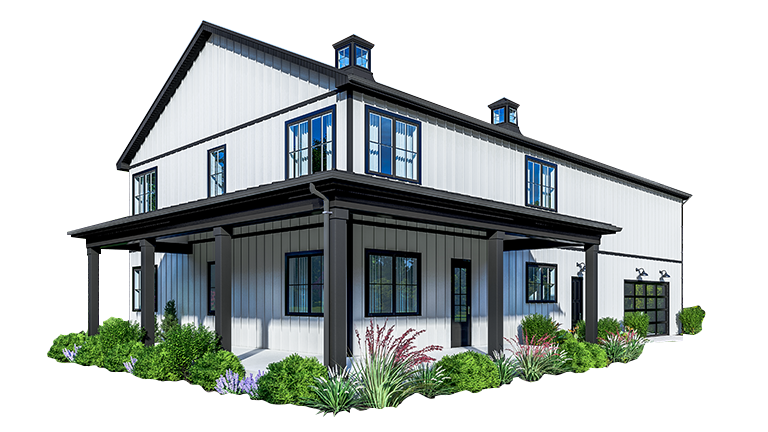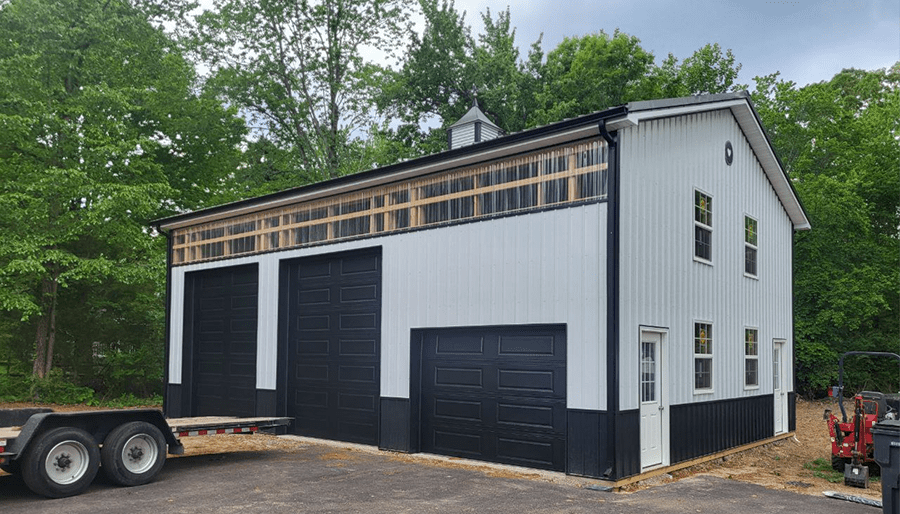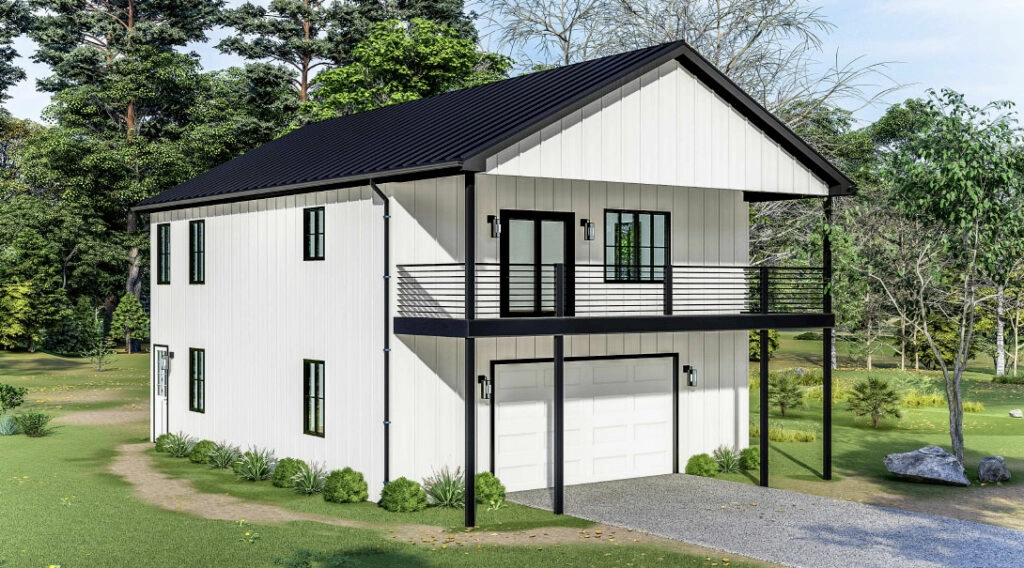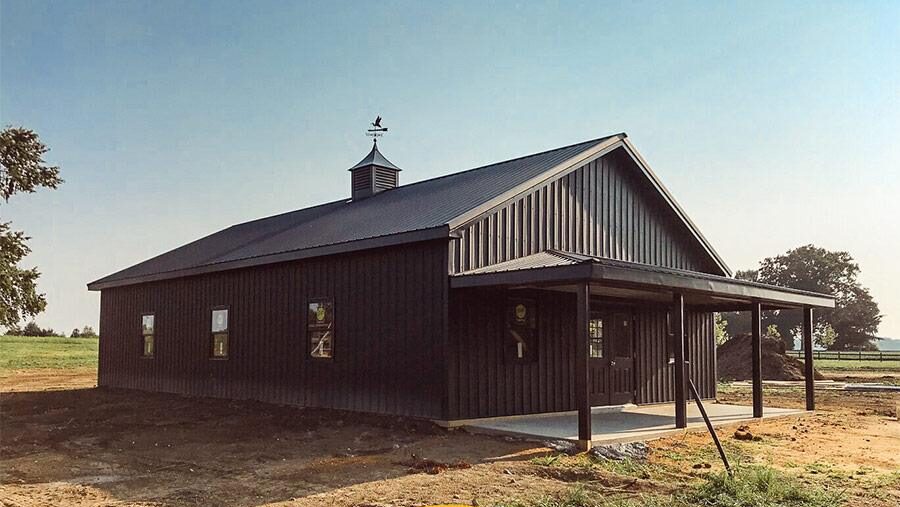

Spring is the most popular season to break ground on a new equestrian facility, but it is also when costly mistakes happen most often. Property owners rush timelines, underestimate drainage needs, or skip critical facility planning steps that directly affect horse safety. The result is a structure that costs more to fix than it would have to build correctly the first time. Understanding where projects go wrong before you start is the most practical thing you can do.
Whether you are planning a full riding arena, a series of horse shelters, or a combined training and boarding operation, the decisions you make early on carry weight for decades. Poor layout, wrong materials, inadequate ventilation, and misaligned budgets are all avoidable with proper preparation. This guide covers the most common equestrian facility planning errors and how to sidestep each one from the start.
What Happens When You Skip Proper Facility Planning?
Facility planning is the foundation of every successful equestrian build, and skipping it creates problems that compound over time. Many owners begin with a structure size in mind but fail to account for traffic flow between paddocks, feed areas, wash stalls, and the riding arena. Without a clear plan on paper, buildings end up poorly positioned, fencing conflicts with drainage, and expansion becomes difficult or impossible later.
Proper facility planning means mapping out every element before a single post goes in the ground. This includes access roads for trailers and feed deliveries, manure management zones, run-in locations, and utility connections. Taking time upfront to work through a detailed layout prevents the kind of reactive fixes that inflate costs and create daily inconvenience. A plan that addresses long-term function, not just immediate needs, is always the right starting point.
Why Does Poor Drainage Cause So Many Problems on Equestrian Properties?
Drainage is the most commonly underestimated factor in equestrian facility design. Spring rains quickly expose weak spots in a site layout, and standing water in paddocks, aisleways, or near horse shelters creates serious health and safety risks. Mud accumulation leads to hoof problems, increases the chance of slipping, and makes daily chores significantly harder for everyone managing the property.
Correcting drainage after construction is expensive and disruptive. Grading decisions made during site preparation determine where water flows for the life of the facility. The area around a riding arena is especially vulnerable if the grade is not properly sloped away from the structure. Investing in a site drainage plan before construction begins protects both the structure and the animals using it every day.
How Does Poor Riding Arena Design Limit Long-Term Usability?
A riding arena that is improperly sized, oriented, or surfaced becomes a daily source of frustration. Standard arena dimensions exist for a reason, and deviating from them without a clear purpose often creates a space that feels cramped for training or competition. Orientation matters too, since poor positioning can result in blinding glare at certain times of day, making the arena uncomfortable and unsafe for riders and horses.
Surface selection is another area where many owners make costly mistakes. The footing inside a riding arena must balance traction, drainage, shock absorption, and dust control. Choosing the wrong base layer or skipping the proper drainage underlayment leads to surfaces that compact, become slippery when wet, or break down quickly under regular use.
What Are the Most Common Horse Shelter Mistakes?
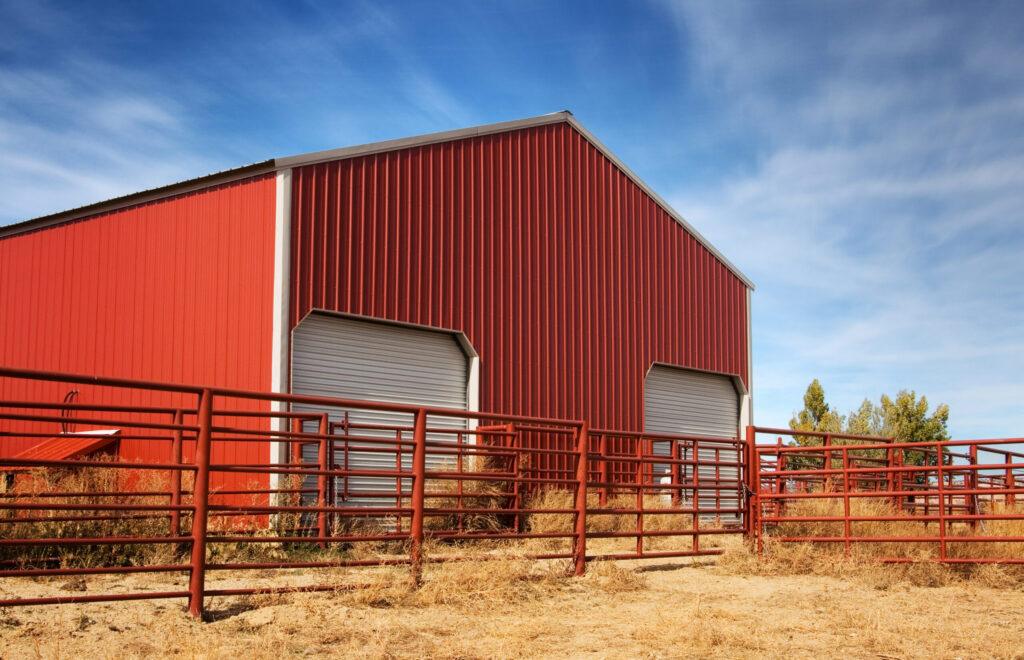
Horse shelters are often treated as an afterthought, but they play a critical role in animal welfare and daily management. One of the most common mistakes is building shelters that are too small for the number of animals using them. Crowded shelters increase the risk of injury from kicking and competition for space, especially during bad weather when horses are forced to seek cover at the same time.
Placement is equally important for horse safety. Shelters positioned in low-lying areas collect water and become muddy, defeating their purpose entirely. Doorways that are too narrow or too low create hazards when horses move in and out quickly. Proper ventilation is also frequently overlooked, leading to moisture buildup and respiratory issues over time. Each of these details should be addressed in your facility planning stage before any construction begins.
How Does Inadequate Ventilation Affect Horse Safety?
Ventilation is one of the most important components of any enclosed equestrian structure and one of the most frequently underdesigned. Poor airflow in barns and shelters allows ammonia from urine and manure to concentrate at ground level, directly impacting respiratory health in horses. Over time, chronic exposure to poor air quality causes lasting damage that no amount of bedding management can fully offset.
Proper ventilation design accounts for the number of stalls, the local climate, and the size of the structure. Ridge vents, cupolas, and strategically placed sidewall openings all contribute to consistent airflow without creating drafts that stress horses in cold weather. Horse safety depends on getting this balance right from the beginning. Delmarva Buildings designs equestrian structures with ventilation needs built into the plan, not added as an afterthought.
Why Does Rushing the Timeline Create Bigger Problems Later?
Spring construction pressure often leads owners to cut corners on permitting, soil testing, or foundation preparation. These steps exist to protect the long-term integrity of the build, and skipping them typically creates much larger problems down the road. A barn built on improperly prepared ground may settle unevenly, causing doors to stick, floors to crack, and structural connections to loosen over years of use.
Permitting requirements for equestrian facilities vary significantly by county and state. Building without the proper approvals can result in stop-work orders, fines, or required demolition of completed work. Taking the time to work through the approval process correctly before breaking ground is not just a legal requirement, it is a practical one. Building in buffer time for permitting and inspections is one of the simplest ways to avoid a stressful and expensive situation.
Also Read: Why Add a Cupola to Your Pole Barn?
How Can You Plan Smarter for Future Facility Expansion?
Many equestrian facilities start small and grow over time, but owners who do not plan for expansion from the beginning often find themselves blocked by fencing, buildings, or utilities that were placed without future phases in mind. Leaving clear zones for additional stalls, an expanded riding arena, or new horse shelters costs nothing during the initial build and saves significant money and disruption later.
Modular post-frame construction is well suited for equestrian facilities precisely because it supports phased expansion without major structural changes. Adding bays, extending rooflines, or connecting new structures to existing ones is straightforward when the original build is engineered with this in mind.
Also Read: Popular Pole Barn Renovation Ideas in 2026
Conclusion
Building an equestrian facility is a significant investment, and avoiding the most common mistakes starts with taking facility planning seriously before construction begins. From proper drainage and riding arena design to adequate horse shelters and ventilation, every detail affects both horse safety and long-term usability. Rushing the process or cutting corners on foundational work almost always costs more to fix than it would have to do right the first time.
If you are planning an equestrian build this spring, take the time to get professional guidance before you commit to a layout or material list. Delmarva Buildings works with property owners to develop equestrian structures that are practical, durable, and designed to grow with their operation. A clear plan, honest timelines, and quality construction are the foundation of a facility that serves you and your horses for decades.