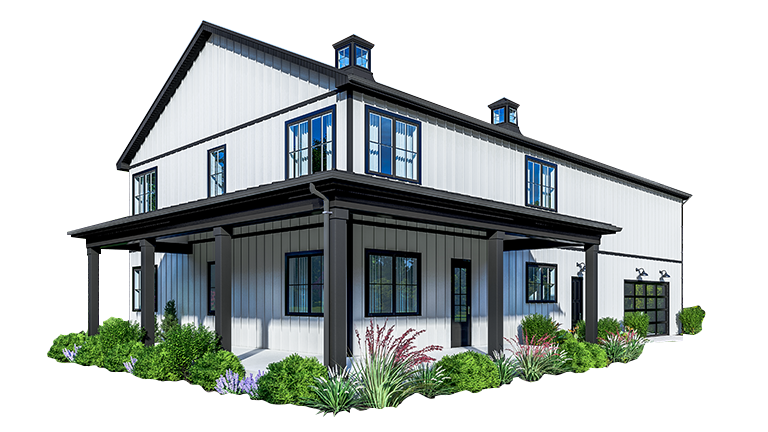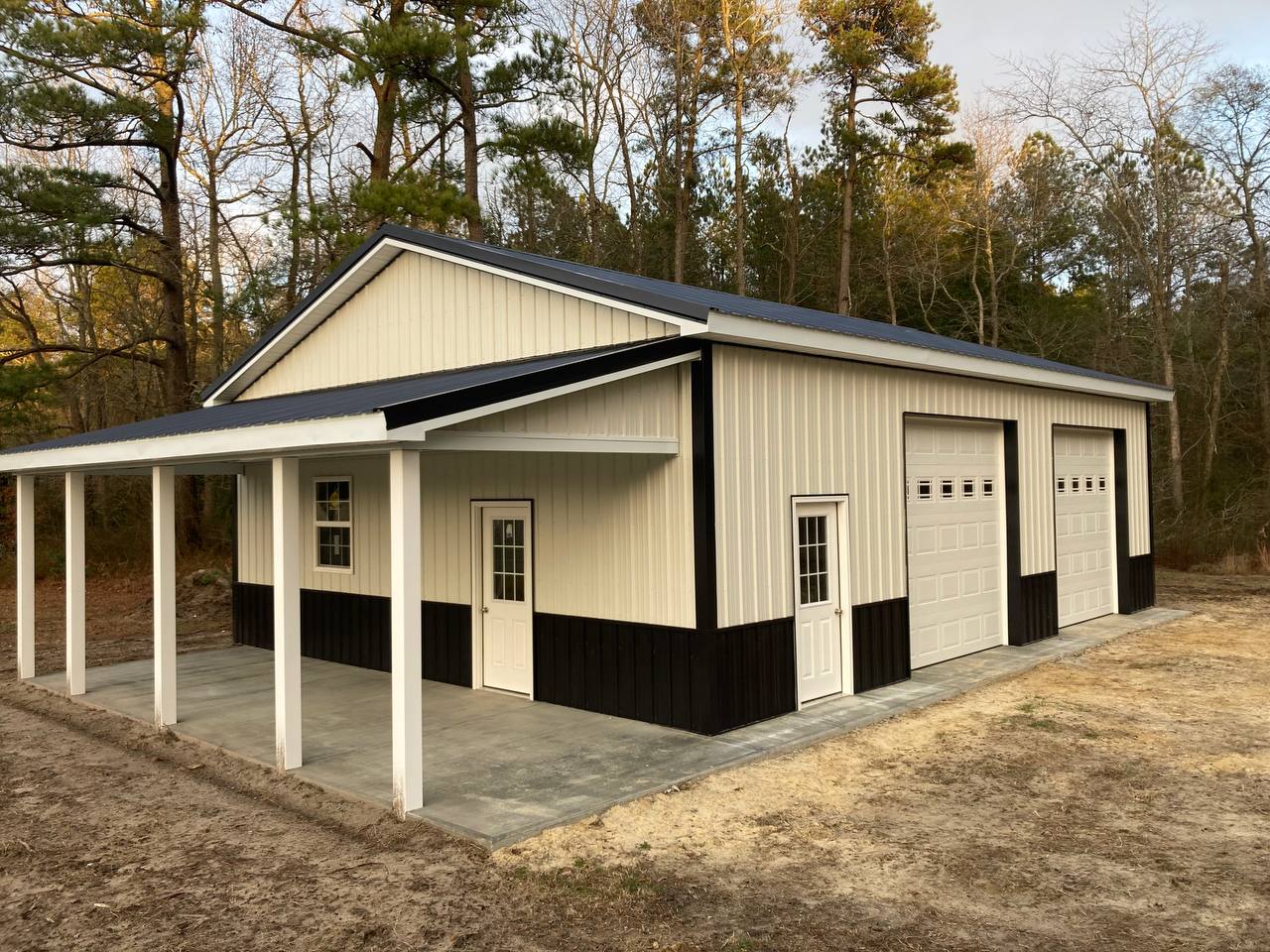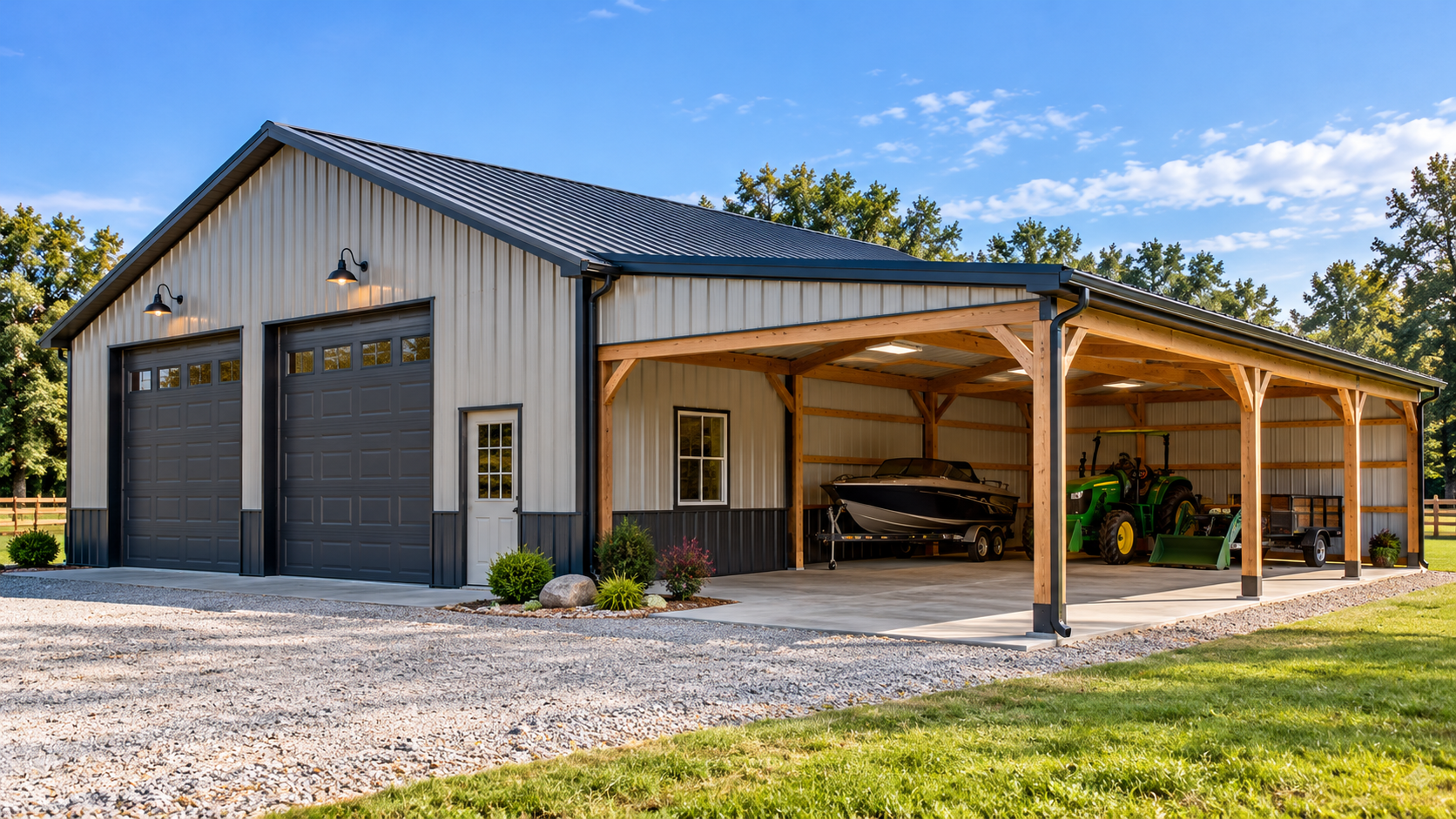

A barndominium kit is an excellent starting point for a new build. The structural components are pre-engineered, the packaging is clear, and the erection timeline is predictable. What the kit does not include is everything that needs to happen before it arrives on site. Site preparation and barndominium foundation work are not steps you handle later. They are the base conditions that determine whether the kit performs as intended for the next several decades.
Buyers who get these groundwork decisions right set their entire build up for success. At Delmarva Buildings, we work with clients through the pre-kit phase specifically assessing site conditions, reviewing foundation requirements, and helping sequence the build so everything is in place before the first panel arrives. This guide covers what your property needs and what decisions should be made before a kit order makes the most sense.
Why Site Preparation Comes Before the Kit Order
Site preparation establishes the physical conditions every phase of construction depends on. This includes land clearing, vegetation removal, grading for drainage, debris removal, and confirming access for delivery trucks and heavy equipment. On a clean, flat lot with existing road access, site preparation is manageable. On wooded, sloped, or low-lying properties, significant earthwork is required and that work takes time and budget to complete correctly before anything else can proceed.
Drainage is one of the most consistently underestimated parts of site preparation. Water that pools near the building causes ongoing slab moisture problems, accelerates structural deterioration in post-frame systems, and creates safety hazards around entries and working areas. Proper grading slopes the land away from the building on all sides. Addressing drainage correctly during site preparation costs a fraction of what it costs to correct after a structure is standing.
Why a Soil Test Is Not Optional
A geotechnical soil test tells you how well your ground can support a structure and what barndominium foundation design is appropriate for those specific conditions. Stable, well-draining soil supports standard foundation designs. Clay-heavy, expansive, or poorly compacted soil requires deeper footings, additional reinforcement, or engineered fill. The soil report results directly determine what your foundation engineer will specify.
Without a soil test, barndominium foundation decisions are guesses and an undersized foundation on poor soil can create structural problems that are expensive to correct after the building is in place. Most licensed contractors and construction lenders require a geotechnical report before work begins. Treat a soil assessment as a required project cost. It protects everything that follows.
Which Barndominium Foundation Type Fits Your Property?
The three most common barndominium foundation types are concrete slab, perimeter foundation with stem walls, and pier or post footings. A concrete slab is the most widely used option because it provides a flat, finished floor surface suited to both living areas and shop or garage sections. Plumbing lines are embedded before the pour, which simplifies rough-in and avoids cutting into finished concrete later.
Perimeter foundations with stem walls raise the building above grade, improving drainage performance on sloped or flood-prone sites. Pier and post systems transfer structural loads through individual columns set into concrete footings and are standard in post-frame construction. The right barndominium foundation for your property depends on your soil report, local building code requirements, and how different zones within the building will be used.
What Utility Work Happens Before the Slab Is Poured?
Electrical conduit, plumbing supply lines, and drain lines must be positioned and inspected before the concrete slab is poured. These run under or through the slab and cannot be relocated without cutting into finished concrete. A missed rough-in at this stage is one of the more expensive corrections in any barndominium build, so confirm with your electrician and plumber that all work has passed inspection before the pour is scheduled.
Rural properties without municipal water and sewer access require well drilling and septic system installation as separate permitted projects with their own lead times and inspection requirements. Both need to be coordinated with your site preparation timeline rather than scheduled after the fact. Getting utility work planned and sequenced early prevents downstream delays that push the entire build schedule back by weeks.
How Zoning and Permits Affect When You Order a Kit
Zoning determines what can be built on your property, where it can be positioned relative to property lines and roads, and whether a combined residential and shop structure is an approved use for your lot. Before ordering a kit, confirm with your local planning office that the intended use is permitted. This confirmation costs nothing and avoids ordering a kit for a build that cannot be permitted.
Building permits require engineered drawings stamped for your county’s wind and snow load specifications. Delmarva Buildings provides stamped engineering for Maryland and the Delmarva region, so buyers are not left sourcing that separately. Identifying permitting requirements before the kit is ordered keeps the permitting timeline and build timeline aligned and avoids costly delays once construction has started.
How to Sequence Site Work and Kit Delivery
Kit delivery should be scheduled after site preparation is complete, the barndominium foundation has been poured, and the slab has reached adequate strength. Concrete develops full structural performance over a 28-day cure period. Framing loads applied before that point risk surface damage and long-term performance issues. Components stored on an unprepared site are also exposed to weather, equipment traffic, and damage risk before construction begins.
Work backward from your target delivery date to establish milestones for clearing, utility rough-in, foundation pour, and cure time. Kit lead times vary, so order timing needs to align with your site and foundation readiness. A build that sequences each phase correctly moves faster overall than one that compresses steps and spends time correcting the problems that follow. Delmarva Buildings manages this sequencing as part of the full-service build process.
Also Read: Why Invest in Mini Pole Building Storage Construction?
The Most Commonly Missed Budget Items
The costs that fall outside both the kit price and the barndominium foundation quote are the ones that catch buyers unprepared. Planning for each from the start is one of the most effective things you can do to protect your budget:
- Land preparation and grading
- Septic and well systems
- Permits and inspection fees
- Driveway installation
- Utility hookups: variable by location
- Landscaping
Building in a 10 to 15 percent contingency from day one is a practical standard. Site preparation alone can surface surprises in soil conditions, drainage requirements, or site access that were not visible during an initial property walkthrough.
Also Read: How Can You Customize a Residential Pole Building?
Conclusion
Ordering a barndominium kit with a clear site preparation plan and a confirmed foundation type is the best way to ensure the build performs as intended for the long term. The kit is the visible, exciting part of the build. What happens at ground level before the first panel goes up is what determines whether the structure delivers the performance and longevity it was designed for.Delmarva Buildings works with buyers during the planning phase to assess site conditions, review foundation requirements, and sequence the build before any component is ordered. If you are in the early stages and want a practical walkthrough of what your specific property requires, reach out and we will help you get the groundwork right before the build begins.